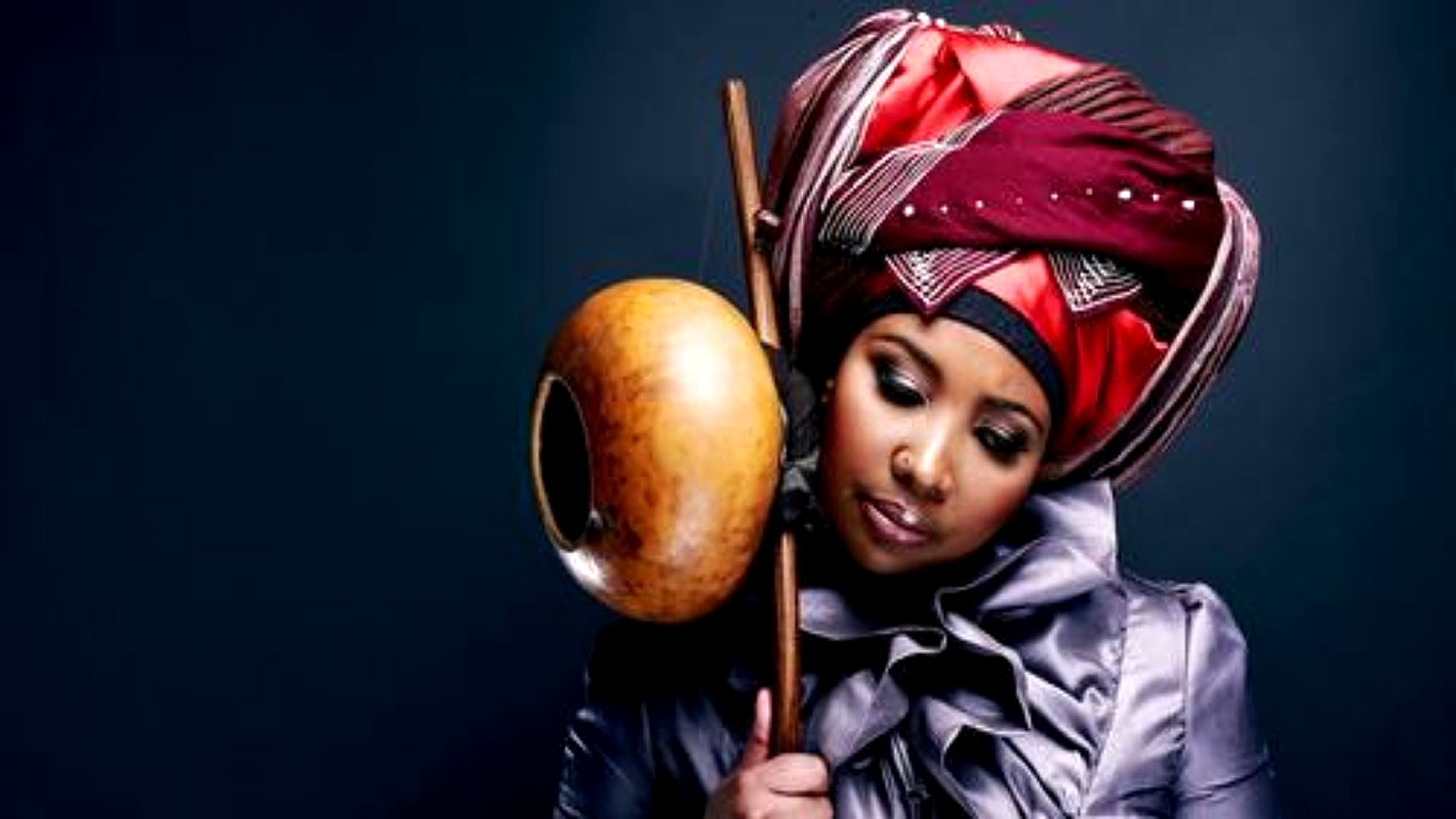
Preserving the Melodies of Heritage: The importance of Indigenous African Musical Instruments in Today’s World
Music is the heartbeat of culture, a vessel through which communities express their histories, emotions, and identities. For centuries, indigenous Africa musical instruments have served as essential tools for storytelling, communication, and spiritual practices. However, in a rapidly modernizing world, these instruments risk being overshadowed by contemporary music trends and techcnologies. The preservation and utilization of these instruments are crucial, not only for maintaining cultural heritage but also for fostering a deeper understanding of Africa’s rich and diverse traditions. When compared to the reverence given to the traditional instruments of other cultures, the call to safeguard African musical instruments, becomes even more compelling.
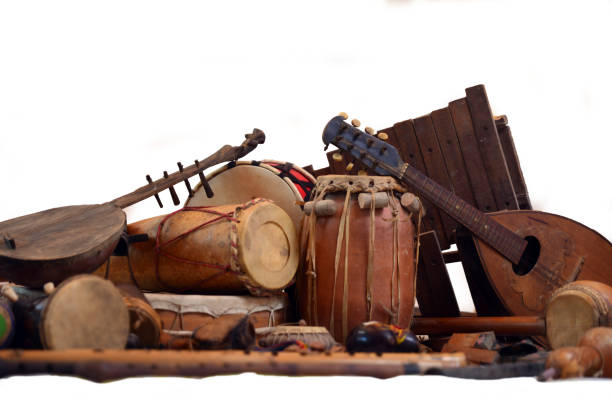
The Cultural Significance of Indigenous African Musical Instruments
African musical instruments are deeply rooted in the continent’s cultural, spiritual, and social fabric. Instruments such as the djembe drum, kora, mbira, and udu carry stories that span generations. These instruments are not merely tools or creating sound; they are mediums for cultural expression and communication.
- Storytelling and Oral Traditions
Indigenous African instruments have historically been used to complement oral storytelling. For instance, the griots of West Africa, traditional historians and poets, often accompany their narratives with the kora, 21 string lute bridge harp. The melodies of the kora serve as the backdrop for recounting tales of ancestry, heroism, and moral lessons.
- Spiritual Practices
Many African instruments hold spiritual significance, used in rituals to communnite with ancestors and invoke deities or essences such as patience, courage, justice etc. The mbira (thumb piano) of the Shona people in Zimbabwe is often used in ceremonies to call upon ancestral spirits. The sound of the mbira is believed to bridge the physical and spiritual worlds making it a sacred instrument.
- Community Bonding
Instruments such as djembe drum are integral to communal celebrations, whether for weddings, harvests, or rites of passage. The drum’s rhythm fosters a sense of unity, encouraging collective participation in dances and chants.
- Education and Social Commentary
African instruments have historically been used to educate and critique societal issues. For example, the “talking drum” of West Africa can mimic the tonal patterns of human speech, allowing it to send messages or convey social commentary.
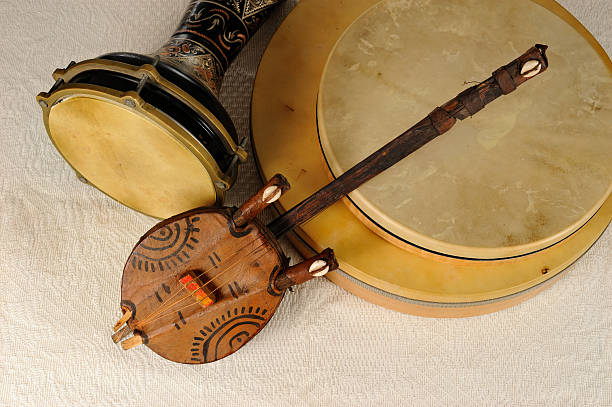
Challenges to Preservation
Despite their significance, indigenous African musical instruments face numerous threats:
- Globalisation and Western Influence
The dominance of Western musical styles and instruments in global markets often overshadows traditional African music. Younger generations may gravitate towards electronic music and other contemporary genres, neglecting their heritage.
- Urbanisation and Cultural Erosion
As rural communities migrate to urban areas, traditional practices tied to specific instruments may fade. The lack of access to traditional craftsmen who create these instruments further exacerbates the problem.
- Neglect in Education
In many African countries, music education often prioritises Western instruments over indigenous ones. This institutional neglect undermines the value of traditional instruments and their cultural significance.
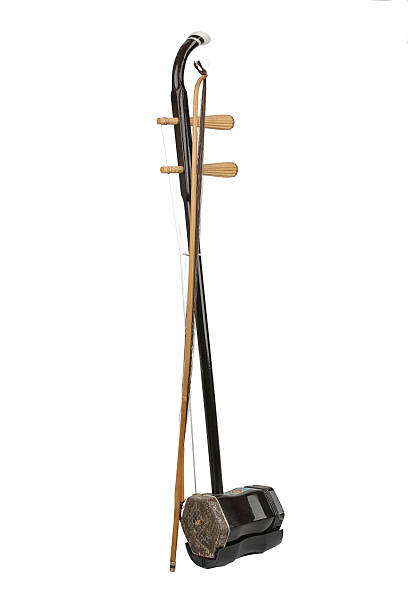
Lessons from Chinese Traditional Instruments
China provides a compelling case study in preserving traditional instruments amidst modernization. Instrumetns like the guzheg (a zither), erhu (a two stringed fiddle), and pipa (a lute) have been actively integrated into modern musical compositions, film scores, and international performances. Several factors contribute to their sustained relevance:
- Institutional Support
The Chinese government has invested heavily in the preservation of traditional music through funding, research, and inclusion in school curriculums.
- Cultural Integration
Traditional Chinese instruments are often fused with contemporary music genres, creating a unique blend that appeals to younger audiences while retaining cultural authenticity.
- Global Promotion
Chinese traditional instruments are prominently featured in international cultural festivals, creating global awareness and appreciation.
Comparing African and Chinese Approaches
While Chinese traditional instruments have benefited from systematic preservation efforts, African instruments often rely on grassroots initiatives ad individual musicians for their survival. This disparity highlights the need for greater institutional support for African musical heritage. African governments, cultural organisations, and educational institutions must prioritise the integration of traditional instruments into modern music and educational programs.
Global Examples of Instrument Preservation
Other cultures also offer valuable lessons in preserving indigenous instruments:
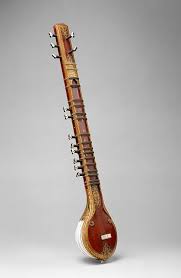
- India’s Classical Instruments
Instruments like the sitar, table, and veena have been preserved through rigorous training in gurukuls (traditional schools) and widespread performances in classical music festivals.
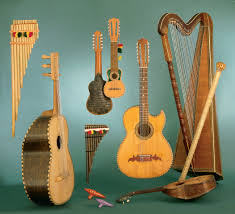
- Andean Instruments in South America
Instruments such as the pan flute and charango are central to Andean folk music. They have been successfully incorporated into modern compositions and international performances keeping the tradition alive.
- Celtic Instruments in Ireland and Scotland
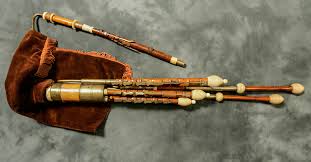
The harp, bodhran, and tin whistle are celebrated in elite music festivals and integrated into global music genres like folk and rock.
Why African Instruments Must Be Preserved
The loss of indigenous African instruments would mean the erasure of an integral part of the continent’s identity. Preserving these instruments offers numerous benefits:
- Cultural Pride and Identity
African instruments are symbols of resilience and creativity. Their preservation fosters a sense o pride and belonging among Africans, especially younger generations.
- Global Representation
Showcasing African instruments on international stages highlights the continent’s contributions to global cultural exchange.
- Economic Opportunities
The production and promotion of indigenous instruments can create jobs, support artisans, and boost tourism.
- Artistic Innovation
The unique sounds of African instruments offer endless possibilities for innovation in music, rom using traditional melodies with cotemporary genres to creating entirely new forms of expression.
Strategies for Preservation
- Educational Integration
African musical instruments should be included in school curriculums, with students learning both their history and how to play them.
- Digital Documentation
Recording traditional music and creating online repositories can preserve these instruments for future generations.
- Support for Artisans
Providing resources and training for craftsmen and women who create traditional instruments ensures their continued production.
- Cultural Festivals
Hosting festivals that celebrate African music and instruments can raise awareness and encourage their use.
- Collaborations
Encouraging collaborations between traditional African musicians and contemporary artists can introduce these instruments to wider audiences.
Conclusion
Indigenous African musical instruments are not relics of the past; they’re living embodiments of Africa’s vibrant cultural heritage. By preserving and utilizing these instruments, Africa can maintain its unique voice in a globalized world. Drawing inspiration from the successful preservation efforts of cultures like China, India, and the Andes, Africa has the opportunity to elevate its musical traditions to new heights. As custodians of this rich legacy, it is our collective responsibility to ensure that the melodies of Africa’s ancestors continue to resonate or generations to come.
 INDWE
INDWE 