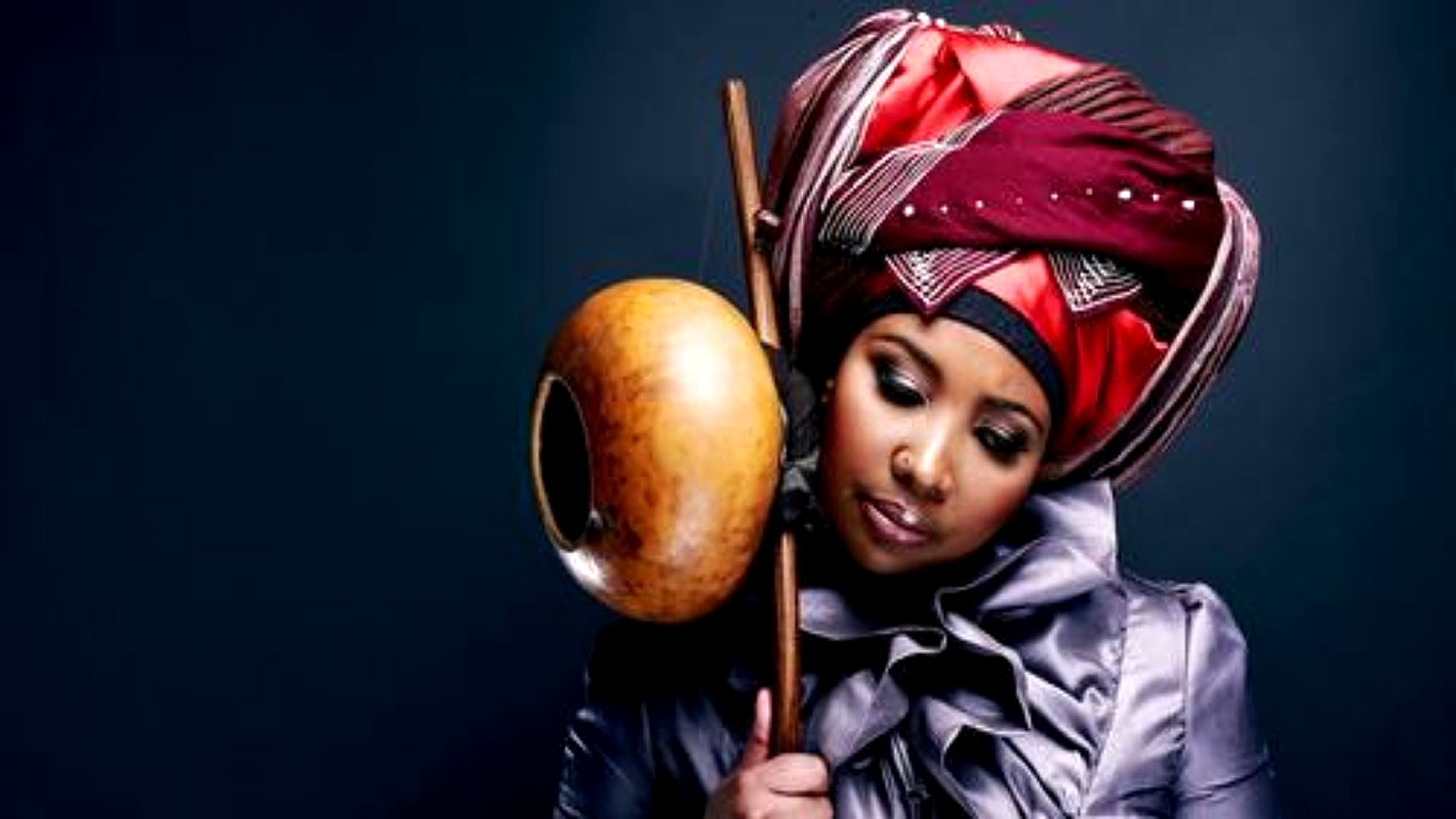
In traditional South African culture, the voice transcends its role as a tool for speech – it becomes an instrument of melody, rhythm and emotion. Singing is central to communal life, used to celebrate, mourn, communicate and unite. The diversity of South Africa’s ethnic groups, such as the Xhosa, Zulu, Sotho and Tswana, has resulted in a wide variety of vocal styles and traditions, each with its own unique characteristics and purposes.
Vocal Styles and Techniques
- Call and Response
One of the most distinctive features of South African vocal music is the call-and-response structure. This involves the lead singer (or soloist) singing a phrase, followed by a response from a group of singers. This interaction creates a dynamic and engaging performance, emphasizing community participation and collective expression.
- Overtone Singing
Among the Xhosa people, overtone singing (umngqokolo) is a unique vocal technique in which a single singer produces multiple tones simultaneously. This technique is often associated with traditional rituals and ceremonies.
- Isicathamiya
Originating from the Zulu people, isicathamiya is a vocal style characterised by its gentle harmonies and precision. Popularised by groups like Ladysmith Black Mambazo, this style emerged from the migrant labour system, where workers used to cope with the hardships of life away from home.
- Ululation
Ululation, a high-pitched vocal sound made by women, is commonly used in celebrations and ceremonies to express joy and excitement. It adds a distinct layer of emotion and rhythm to performances.
- Harmonic Singing
South African vocal music often features rich harmonies, with singers layering their voices to create complex and textured soundscapes. This harmony is especially prominent in choral traditions.
Cultural and Spiritual Significance
The voice in South African traditional music serves as a bridge between the physical and spiritual worlds. It is often used in rituals to honour ancestors, invoke blessings, or mark significant life events such as births, marriages, and funerals. Songs are imbued with meaning, often telling stories, conveying wisdom, or offering guidance.
Rhythm as a Foundation of Traditional Music
Rhythm is an essential element of South African music, deeply rooted in the natural environment and daily life. Traditional music often features intricate rhythms, created through a combination of clapping, stamping, drumming, and percussive instruments. These rhythms provide the foundation for vocal performances and dances, uniting participants in a shared pulse.
Body Percussion
South Africans have a long history of using their bodies as instruments to produce rhythm. Hand clapping, foot stomping, and chest slapping are common techniques, often performed in sync with vocal melodies. This practice is particularly evident in traditional dances and ceremonies, where the body becomes both a visual and auditory component of the performance.
Drumming and Percussion Instruments
While the voice often takes center stage, it is complemented by a variety of traditional percussion instruments including:
- Djembe: A goblet-shaped drum played with bare hands, producing a wide range of tones.
- Hadi: A bow instrument that produces rhythmic and melodic sounds.
- Marimba: A wooden xylophone-like instrument with resonators.
- Clappers and Bells: Used to accentuate rhythms and add texture to the music.
Polyrhythms
South African music is known for its use off polyrhythms, where multiple rhythms are played simultaneously. This creates a rich and layered sound, reflecting the interconnectedness of individual and community.
Communal Participation and Storytelling
One of the most remarkable aspects of South African vocal and rhythmic traditions is their emphasis on communal participation. Music is rarely performed in isolation; instead, it is a collective experience that involves singing, dancing, and drumming. Each participant contributes to the performance, reating a sense of unity and shred purpose.
Songs often serve as vehicles for storytelling, preserving history, and passing down knowledge. For example:
- Freedom Songs: During the apartheid era, South Africans used music as a form of protest and resistance. Songs like “Nkosi Sikele’iAfrika” became symbols of hope and unity.
- Folktales in Song: Traditional songs often recount folktales, teaching moral lessons or celebrating cultural heroes.
Modern Relevance and Evolution
While deeply rooted in tradition, South African vocal and rhythmic music continues to evolve, influencing and being influenced by contemporary genres such as jazz, gospel, and hip-hop. Musicians like Mirriam Makeba, Hugh Masekela, and the Soweto Gospel Choir have brought traditional elements to global audiences, highlighting the timeless beauty of South African music.
At the same time, efforts are being made to preserve traditional vocal and rhythmic practices. Schools, cultural organisations, and community groups are teaching young people about their musical heritage, ensuring that these traditions are not lost in the face of modernisation.
The Voice as a Universal Instrument
The South African approach to the voice as an instrument highlights its universal potential. In traditional culture, the voice is not just a means of communication but a tool for expression, healing, and connection. It embodies the essence of humanity, transcending linguistic and cultural barriers to convey emotion and meaning.
Conclusion
The vocal and rhythmic traditions of South Africa are a testament to the power of music to unite, inspire, and preserve. Through their voices, South Africans have shared their stories, celebrated their heritage, and resisted oppression. By honouring these traditions, we not only preserve a vital part of South African culture but also recognise the universal language of music as a bridge between people and communities. The voice, as a musical instrument, remains at the heart of this enduring legacy.
 INDWE
INDWE 