Background
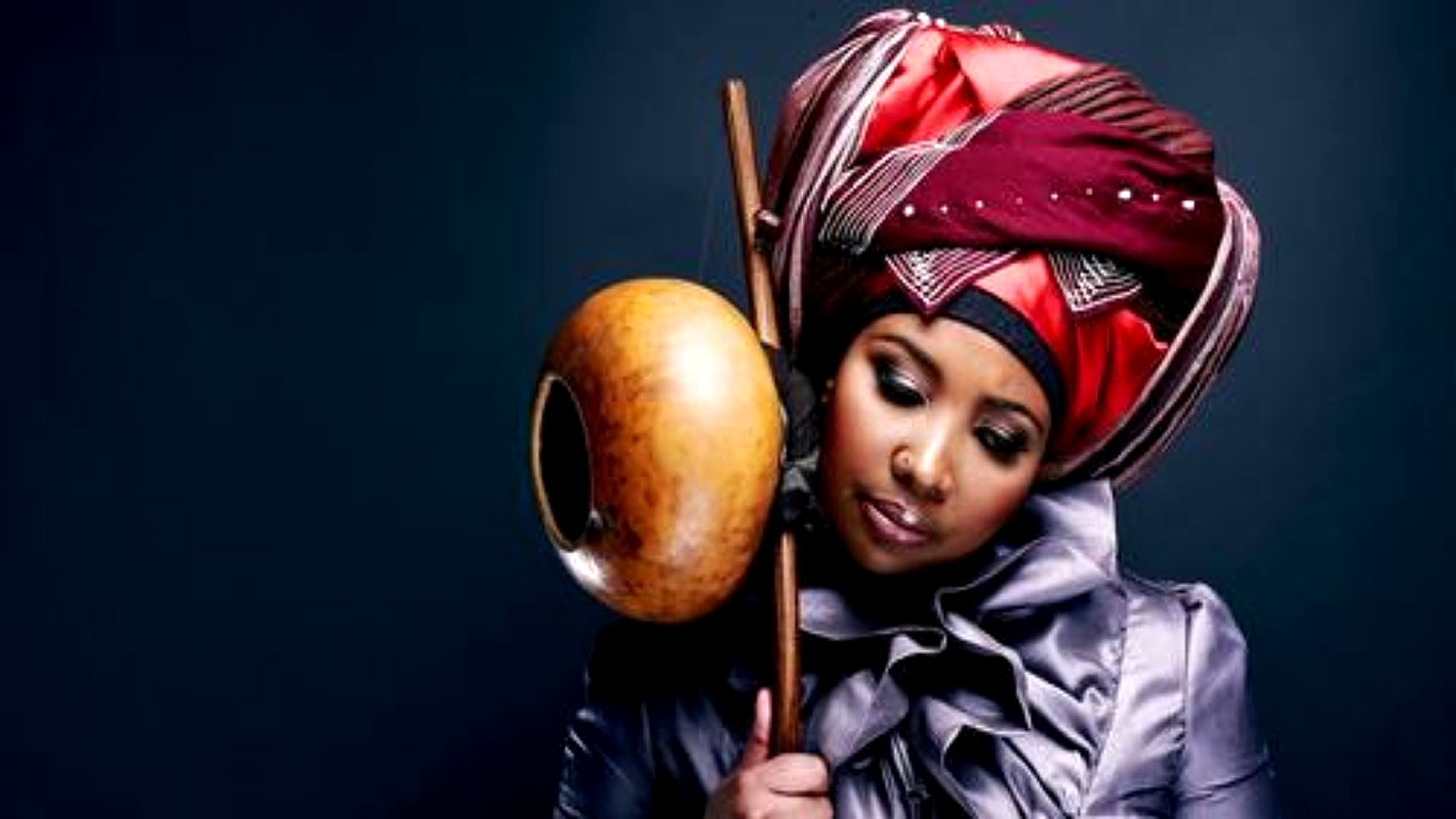
I was travelling carrying my bows once and as usual was met with curious eyes at the airport which I had gotten used to by then. This time though I was actually approached by one of these silent inquisitors, an elderly unpretentious forthright looking man wearing Jesus sandals. He approached and greeted in Xhosa. As he was not looking at me but at one of the instruments I was carrying, I began to wonder whether he was greeting me or the instrument. Finally he says, “i-Hadi” (prefix pron. ee) and in defense of my heritage I correct him and say “U-Hadi”(pron. oo) . He didn’t seem fazed or interested in the debate. After observing the make of the instrument whilst making small talk he introduced himself as Professor Dargie from the University of Fort Hare and gave me his business card to visit his office sometime,
After he left I was lost in thought when I realised that he was right, in a matter of fact kind of way.He called it “i-Hadi” because that’s how you refer to an object. You say “(u or oo) when referring to a person.
The “u” prefix has become so common, you’ll even find it on Wikipedia, but I digress. Whether you call it “i” or “u”, the root word and subject is Hadi, hence the title of this article. In my humble opinion neither can be deemed wrong because it is a tool of spiritual significance with a persona as well as an object and a subject of study in the same breath.
Introduction
The Hadi, a traditional musical bow instrument, stands as a powerful testament to the creativity and cultural depth of the Xhosa people of South Africa. This iconic instrument, with its simple yet proud design, has been a vessel for storytelling, spiritual connection, and cultural expression for generations. Its hauntingly beautiful tones carry the essence of Xhosa heritage, embodying the rhythms and melodies of a rich oral tradition.
Origins and Cultural Significance
The Hadi is part of the larger family of bow instruments found across Africa, but its use is particularly prominent among the Xhosa speaking people. It consists of a single string stretched along a flexible wooden bow, with a calabash gourd resonator attached near the center. The string is typically made from animal gut or modern materials like wire, while the bow is often carved from indigenous wood that bends but does not break such as umsimbithi.
Historically, the Hadi has been played by women to bring calm in the home particularly when telling bed time stories (iintsomi) to the children. It is also played during social gatherings, initiation ceremonies and spiritual rituals. The instrument is deeply intertwined with the oral tradition of the Xhosa people, often accompanying songs that narrate historical events, convey moral lessons, or express emotions. The Hadi’s ability to produce a wide range of tones makes it a versatile tool or both melody and rhythm, adding depth to the performer’s vocal expressions.
Construction and Sound
The simplicity off the Hadi belies its sophisticated acoustics. The calabash resonator amplifies the sound of the vibrating string, creating a warm and resonant tone. By striking or plucking the string with a reed (umcinga / ingcongolo) and manipulating the calabash against the body, the player can produce variations inn pitch and tone. This interplay of sound and movement gives the Hadi its distinctive, almost hypnotic quality.
The instrument is often tuned to reflect the pentatonic scale, a common feature in African music. This tuning allows for a melodic range that complements traditional Xhosa songs and chants. The Hadi’s sound is not just music; it is an emotional experience, evoking feelings of nostalgia, joy, or reflection.
Symbolism and Spirituality
The Hadi is more than a musical instrument; it is a symbol of identity and spirituality. In Xhosa culture, music is deeply connected to the spiritual realm, and the Hadi is no exception. It is believed to have the power to connect the physical and ancestral worlds, often played during rituals to invoke blessings or communicate with the ancestors.
The instrument also carries a strong sense of identity ad resistance. During the colonial era, the Hadi and other indigenous instruments were banned and suppressed in favour of Western musical forms. Despite this, the Hadi survived, becoming a symbol of cultural resilience and pride or the Xhosa people.
The Role of Women in Preserving the Hadi
Traditionally, the Hadi has been closely associated with Xhosa women, who have played a pivotal role in preserving and transmitting its legacy. Female players use the instrument to express personal stories, social commentary, and communal values. Their performances often include improvised lyrics, showcasing the dynamic relationship between music and the spoken word in Xhosa culture.
One of the most notable Hadi players was Nofinishi Dywili, a Xhosa musician and cultural icon who brought the instrument to global audiences. Her mastery of the Hadi and dedication to preserving its tradition has inspired new generations to embrace and celebrate this unique art form.
Challenges and Modern Relevance
Despite its rich history, the Hadi faces challenges in the modern world. The instrument’s use has declined due to urbanisation, the influence of Western music, and a lack of formal music education that includes indigenous instruments. The crafting of the Hadi is also at risk, as the traditional materials and knowledge required to make it become increasingly scarce.
However, there is a growing movement to revive and preserve the Hadi. Musicians, educators, and cultural organisations are working to re-introduce the instrument to younger generations. Efforts include workshops performances, and collaborations with contemporary artists, ensuring that the Hadi remains relevant in a rapidly changing cultural landscape.
The Global Appeal of the Hadi
In recent years, the Hadi has gained international recognition as a symbol of African musical ingenuity. Its unique sound and cultural significance have attracted the interest of renowned ethnomusicologists, like Prof. Dargie, world music enthusiasts, and musicians seeking to incorporate traditional African elements into their work. The Hadi’s ability to convey emotion and tell stories transcends linguistic and cultural barriers, making it a powerful ambassador for Xhosa culture on the global stage.
Conclusion
The Hadi musical bow is more than an instrument; it is a living embodiment of the Xhosa people’s history, spirituality, and creativity. Its resonant tones carry the voices of the ancestors, connecting the past with the present and the individual with the community. By preserving and celebrating the Hadi, we honour not only the Xhosa heritage but also the universal human need for expression and connection through music. In a world that often prioritises the new over the traditional, the Hadi serves as a poignant reminder of the enduring power of cultural heritage.
 INDWE
INDWE 